





Every year the areas of walnut, hazelnut, and almond plantations increase. There is both a replacement of old orchards that have lost their productivity and the planting of completely new orchards. Depending on the climate, different types of nuts predominate in different countries of Europe – somewhere, mainly walnuts are planted, in other regions, mainly hazelnuts or almonds.
The main problem that owners of walnut orchards who have just started their journey in the walnut business may face is the lack of pre-sale processing of walnuts. First of all, it means drying. When buying a nut in an industrial garden, the buyer is looking for a nut that is already completely ready for processing or further sale, already peeled from the pericarp, and dried to an optimal moisture content for storage. Additionally, the walnut can be calibrated in size, which will increase its selling price.
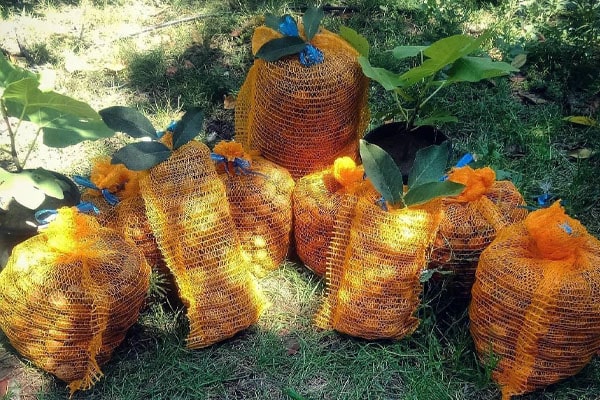
With the first harvest of walnuts, hazelnuts, or almonds, it is worth choosing a nut dryer. Depending on the area of plantations and the volume of the crop, a dryer or a drying complex is selected. Such equipment will significantly reduce the time for drying the nuts, and do it efficiently and by the established drying rules.
An industrial dryer is capable of drying up to 2 tons, and industrial complexes up to 20 tons per day. Drying one batch of nuts takes 10-24 hours, depending on the type of nut – hazelnuts, almonds, or walnuts and the initial moisture content.
Dried in an industrial dryer, the nut retains 100% of the quality of the nut and the light color of the kernel, which is a very important indicator when selling the nut.
A nut that has undergone a drying process has a long shelf life without loss of quality; mold, worms, and other microorganisms do not start in such a nut, which makes the nut unsuitable for sale and processing.
Nut dryers are universal – they have the function of adjusting the temperature and drying time, which allows you to manually adjust the dryer to the desired product.
Video review of the basic dryer for walnuts, hazelnuts, and almonds: